Drone Surveys
.jpeg)
Drone surveys for accurate, informed roofing decisions
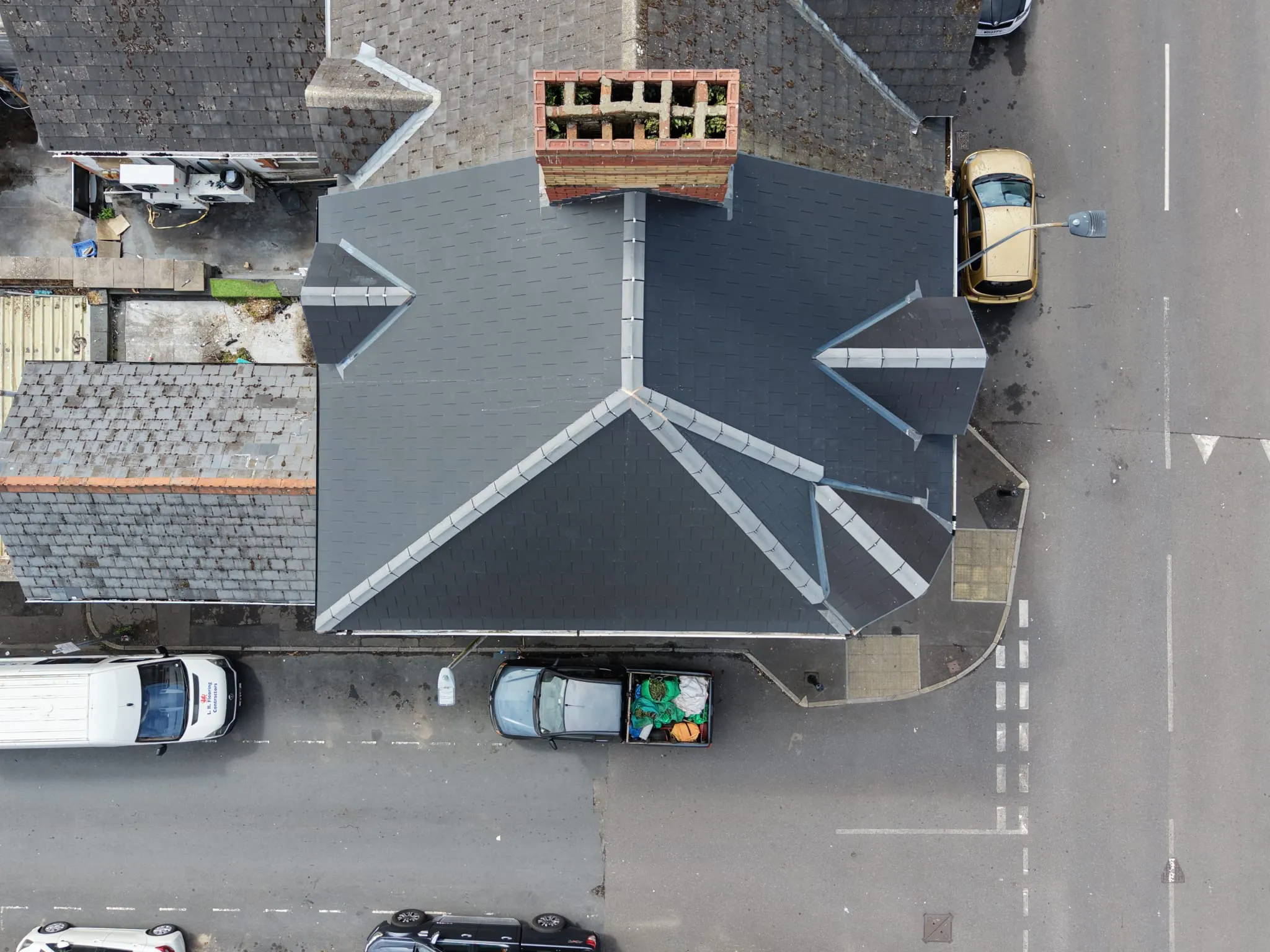
We offer professional drone survey services to support both accurate quoting and standalone inspections. Using advanced drone technology, we can safely access roofs, elevations, and hard-to-reach areas to assess condition, identify defects, and gather precise measurements before any work begins.
This means more accurate quotes, fewer unexpected issues, and better planning from the outset — giving you a clear understanding of your roof without the need for guesswork.
Accurate assessments without the risk
Clear reports for any purpose
Better planning from the start
Recent projects
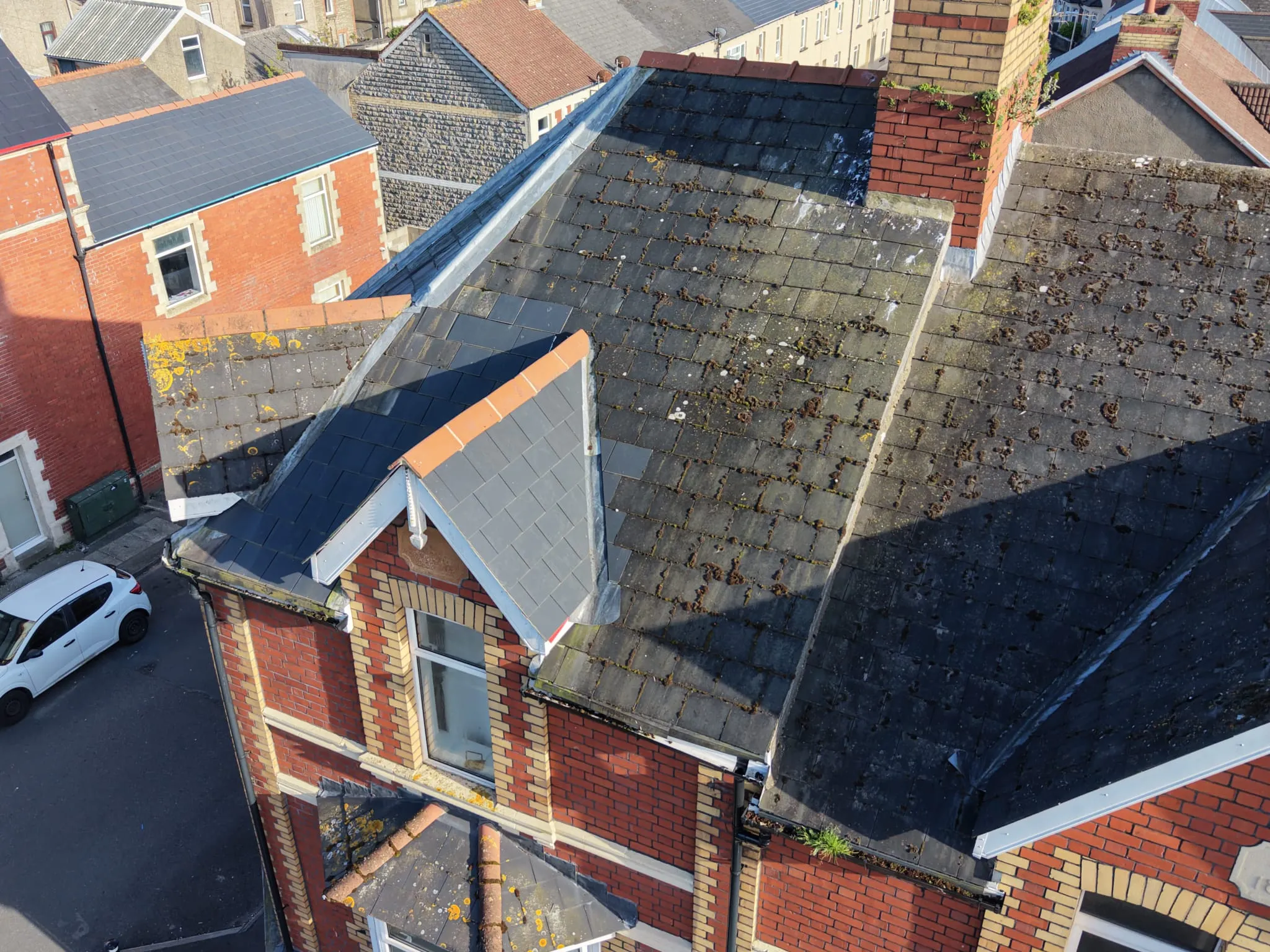
We can take before and after images of your roof
.webp)
.webp)
Questions
Everything you need to know about our drone services
A drone roof survey uses high-quality aerial photography to inspect your roof safely from above. It allows us to assess condition, identify issues, and gather accurate details without needing scaffolding or ladders.
In most cases, no. As long as we have access to the property externally, we can carry out the survey and provide the results afterwards.
You’ll receive clear, high-resolution images of your roof, along with any relevant findings. Where needed, we can also provide measurements and notes to support maintenance, insurance, or quotes.
Yes - we offer standalone drone surveys if you simply want an expert overview of your roof. There’s no obligation to proceed with any work.
They are excellent for identifying visible damage, wear, and problem areas. If anything needs further investigation, we’ll always advise on the next steps.
Yes - because it removes the need for scaffolding or specialist access equipment, making it a more cost-effective option.